

Preparing Medical Records for Treatment Abroad
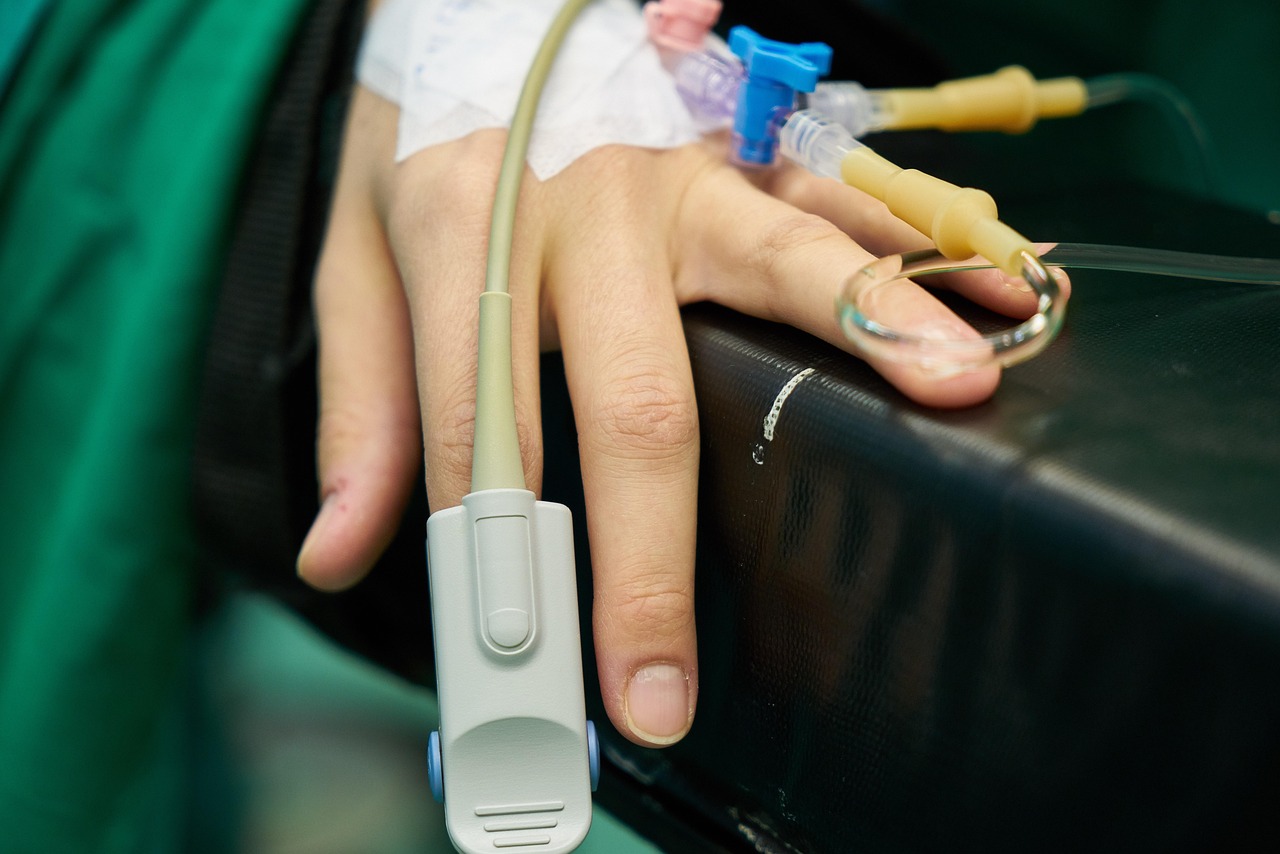
When seeking medical treatment abroad, your medical records are the foundation of your care. Before you ever board a flight, Indian specialists rely entirely on your submitted clinical history, diagnostic imaging, and laboratory panels to render remote second opinions, determine surgical eligibility, and formulate detailed treatment plans. Preparing a comprehensive, well-structured medical file ensures timely communication, avoids redundant diagnostic testing, and guarantees accurate cost estimates.
Essential Components of a Comprehensive Medical File
To provide an Indian surgical board or specialist with a clear understanding of your case, assemble the following four documentation categories:
1. Attending Doctor's Clinical Summary
A typed summary letter from your local physician or specialist outlining:
- •Primary diagnosis and timeline of symptom onset.
- •Current daily prescription medications, including exact dosages and durations.
- •Known drug allergies, food intolerances, or previous adverse reactions.
- •Underlying chronic conditions such as diabetes, hypertension, asthma, or cardiac disease.
2. Diagnostic Scans in Original DICOM Format
For conditions requiring surgery, radiation, or joint replacement, printed paper film copies or camera photos of scans are insufficient. Specialists need original digital imaging files in DICOM (Digital Imaging and Communications in Medicine) format. This applies to MRI scans, CT scans, PET-CT scans, and coronary angiograms, allowing surgeons to scroll through cross-sectional slices and view 3D reconstructions. Learn more in our cancer treatment guide and our specialized hospital directory.
3. Laboratory Panels and Histopathology Reports
Include recent diagnostic tests conducted within the past 30 to 60 days: complete blood count (CBC), renal function tests (creatinine, BUN), liver function panels, coagulation profiles (PT/INR), and viral markers (HIV, Hepatitis B & C). For oncology patients, official pathology and biopsy reports, including immunohistochemistry (IHC) marker profiles, are essential.
4. Past Surgical Notes and Discharge Summaries
If you have undergone previous surgeries, cardiac catheterizations, or major hospitalizations, include copies of the operative notes and formal hospital discharge summaries. This context allows surgeons to anticipate scar tissue, anatomical variations, or implant compatibilities.
Best Practices for Organizing Your Digital Health Records
Adhering to these practical guidelines speeds up hospital review times and avoids misunderstandings:
Chronological Filing
Organize reports in chronological order, with the newest tests at the top. Clearly label files with date and test type (e.g. 2025-05-15_Brain_MRI_Report.pdf).
Certified English Translations
If your medical reports are in Arabic, Russian, French, or another language, obtain certified English translations. Clinical terminology must be precise to avoid misinterpretations.
Cloud-Based Sharing
Upload heavy DICOM imaging folders (often 200MB–1GB) to secure cloud storage (Google Drive, OneDrive, Dropbox) and share accessible viewing links rather than trying to attach them to emails.
Backup Physical Copies
Always pack two physical printed sets of all text reports and physical CD/USB copies of imaging scans in your carry-on luggage for immediate presentation at hospital admission.
What to Carry on Your Travel Date
When boarding your flight to India, ensure you have these items readily accessible in your personal carry-on bag:
- Printed Medical Folder: Complete physical file containing doctor summaries, recent lab work, and imaging reports.
- Hospital Visa Invitation Letter: Printed copy of the official letter for immigration authorities at the port of entry.
- 30-Day Medication Supply: All current prescription medications in their original labeled pharmacy packaging, accompanied by doctor's written prescription.
- Vaccination & Yellow Fever Certificate: If traveling from endemic zones (e.g. parts of Africa or South America), carry mandatory official vaccination cards.
How NineCure Facilitates Medical Opinion Coordination
NineCure acts as your care coordination bridge. We assist international patients in securely transmitting their medical records directly to relevant clinical department heads at top accredited Indian hospitals. Our structured coordination ensures you receive transparent treatment proposals and detailed clinical opinions before booking travel.
Ready to plan your medical travel? Consult our Pre-Travel Planning Guide or explore our Hospital Stay Guide.
Medical & Editorial Disclaimer
The information provided in this guide is for educational and informational purposes only and does not constitute formal medical advice, diagnosis, or clinical treatment planning. International patients should consult qualified physicians and authorized hospital coordinators regarding individual treatment requirements. NineCure coordinates hospital discovery and travel assistance with accredited institutions.